
black-mamba-africas-deadliest-main.jpg

About the Show

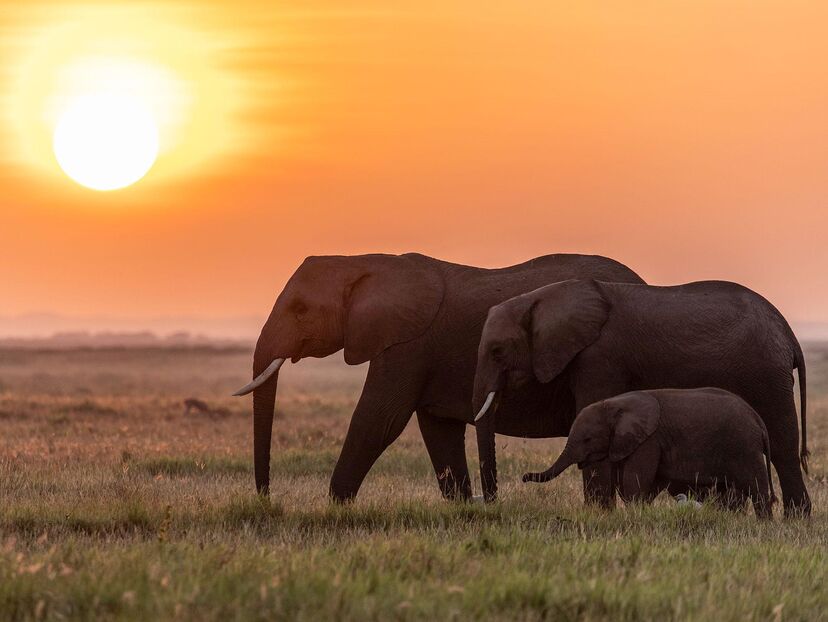
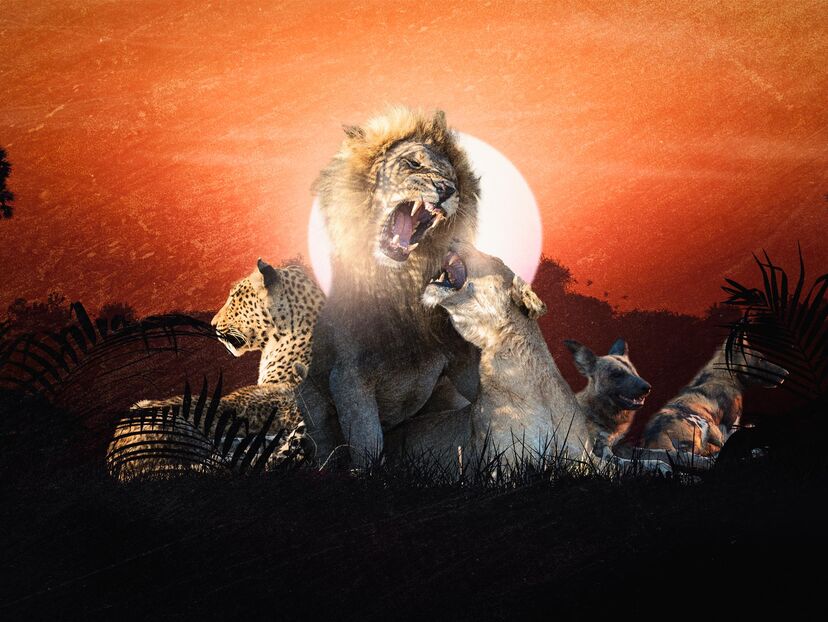
Africa’s Deadliest explores the deepest, darkest depths of Africa, to come face to face with the deadliest predators. Understand how this diverse landscape has sculpted an array of Africa’s predators and who has made it to the top of the food chain. From the dolphin armies of the ocean to the masters of ambush on the savannahs to the most poisonous reptiles of the deserts, discover the stealth, the speed, deception and weaponry of Africa’s deadliest.

Behind the Scenes

  • Hit by a Hippo

    Hit by a Hippo

    Cameraman Nathan Pilcher shares what it was like filming hippos, and how it turned out to be much more interesting than he had anticipated. Especially when, one night, a pride of eighteen lions decided to hunt a hippo—and Nick and his crew experienced a head-on hippo collision, straight into their parked car.

Photo Galleries

  • Photo: A Parabuthus

    Lethal Weapons

    Africa's predators wield deadly weapons, from razor-sharp claws to fatally toxic venom.

  • Photo: Two mongooses in foliage

    Predator Swarm

    By hunting in teams, these killers are capable of more power, ferocity, and strategy than any hunter working alone.

Featured Episode

  • Photo: A young male lion

    Killer Tactics

    These predators have evolved unique killing strategies of stealth, speed and deception perfected over millennia.

View Episode Guide »

Watch Full Episodes

  • Dog Whisperer Full Episodes

    Dog Whisperer

    Can't get enough of Dog Whisperer? Get your fix with full episodes from past seasons.

  • Swamp Men

    Welcome to Billie Swamp Safari, an untamed wild animal park in the Florida Everglades, located on Seminole land.

Browse All WILD Videos »

Animal News

  • A vending machine filled with candy and snacks.

    Can Sugar Make You Stupid?

    Bingeing on fructose stunted memory and learning in rats, prompting "high concern" over unhealthy humans.

  • A fossilized ink sac.

    Fossil Ink Sacs Yield Pigment

    Still soft ink sacs from 160-million-year-old squidlike animals have yielded pigment matching that of modern cuttlefish.

Get More Animal News »