-
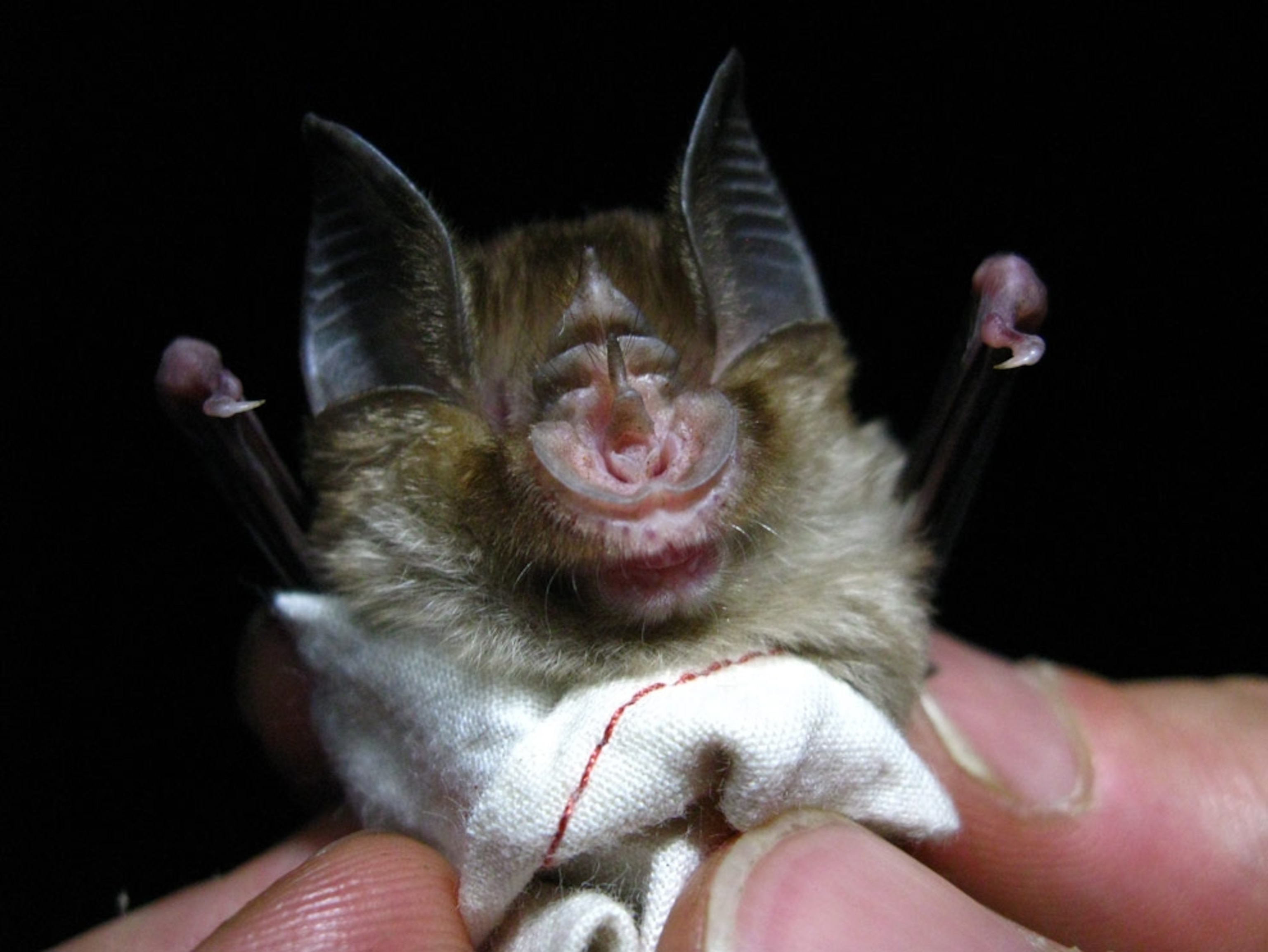
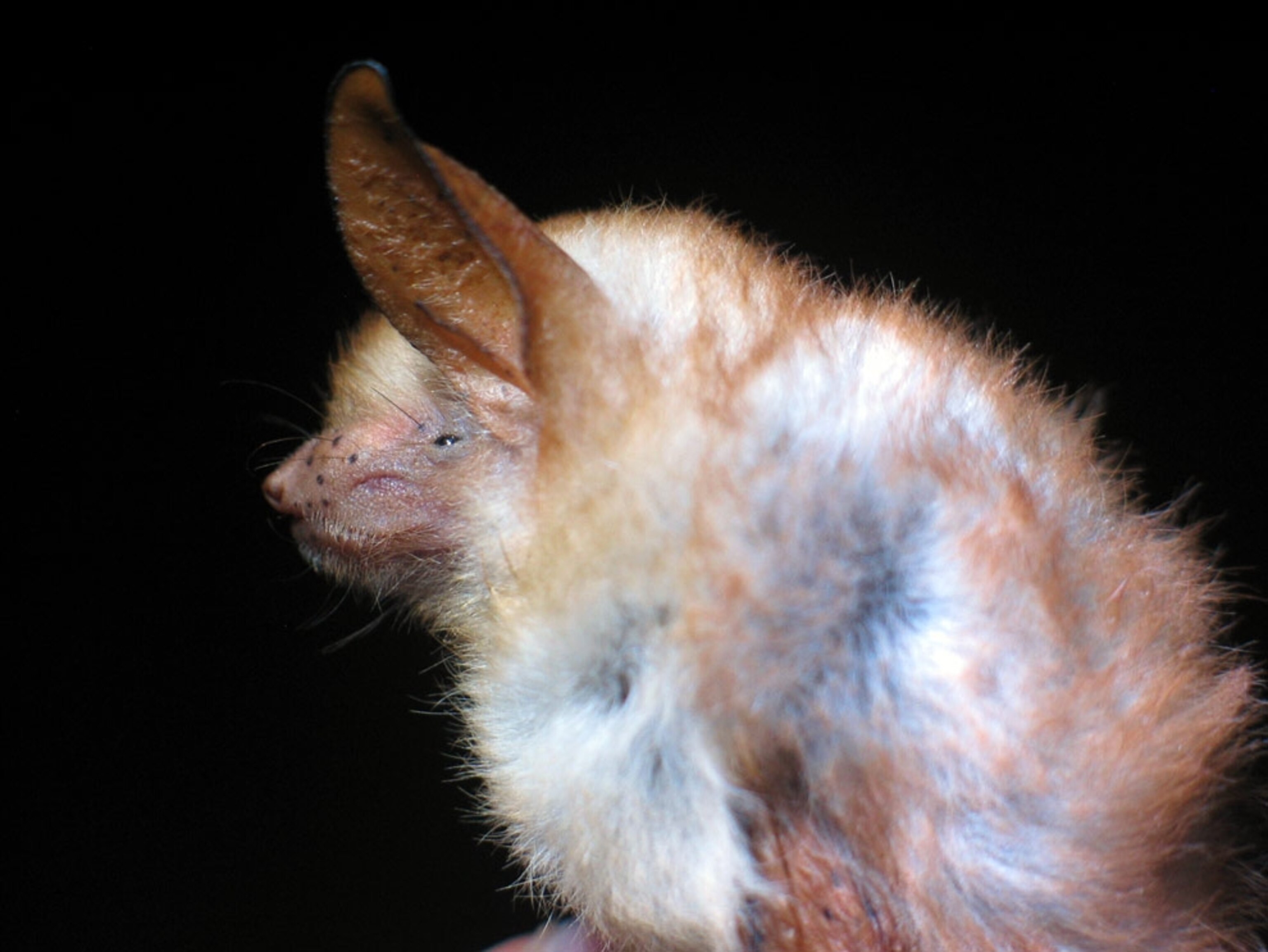
Rhinolophus Blasii
Photograph by Michael Curran and Mirjam Kopp
This is a Rhinolophus blasii from Mount Mabu in northern Mozambique. We spent 13 nights sampling in a remarkably intact montane rain forest. Although capture success was low, we recorded a very diverse yet even community of bats in this forest. In areas of West Africa, a similar pattern was observed in intact wild habitat: low levels of abundance but a highly diverse community.
About the Project
NGS/Waitt grantee Michael Curran and his team are documenting how Mozambique and Malawi forests are essential to their local, large bat communities. Using mist nets, canopy nets, harp traps and acoustic monitoring (recording ultrasonic bat calls using a bat detector), Curran has discovered that these forests support a very large proportion of the region’s bat diversity within a very small geographic area. Visiting eight sites across three mountains in Mozambique and Malawi, he and his team captured 245 bats representing about 27 species. More about the African Bat Biodiversity Project
-
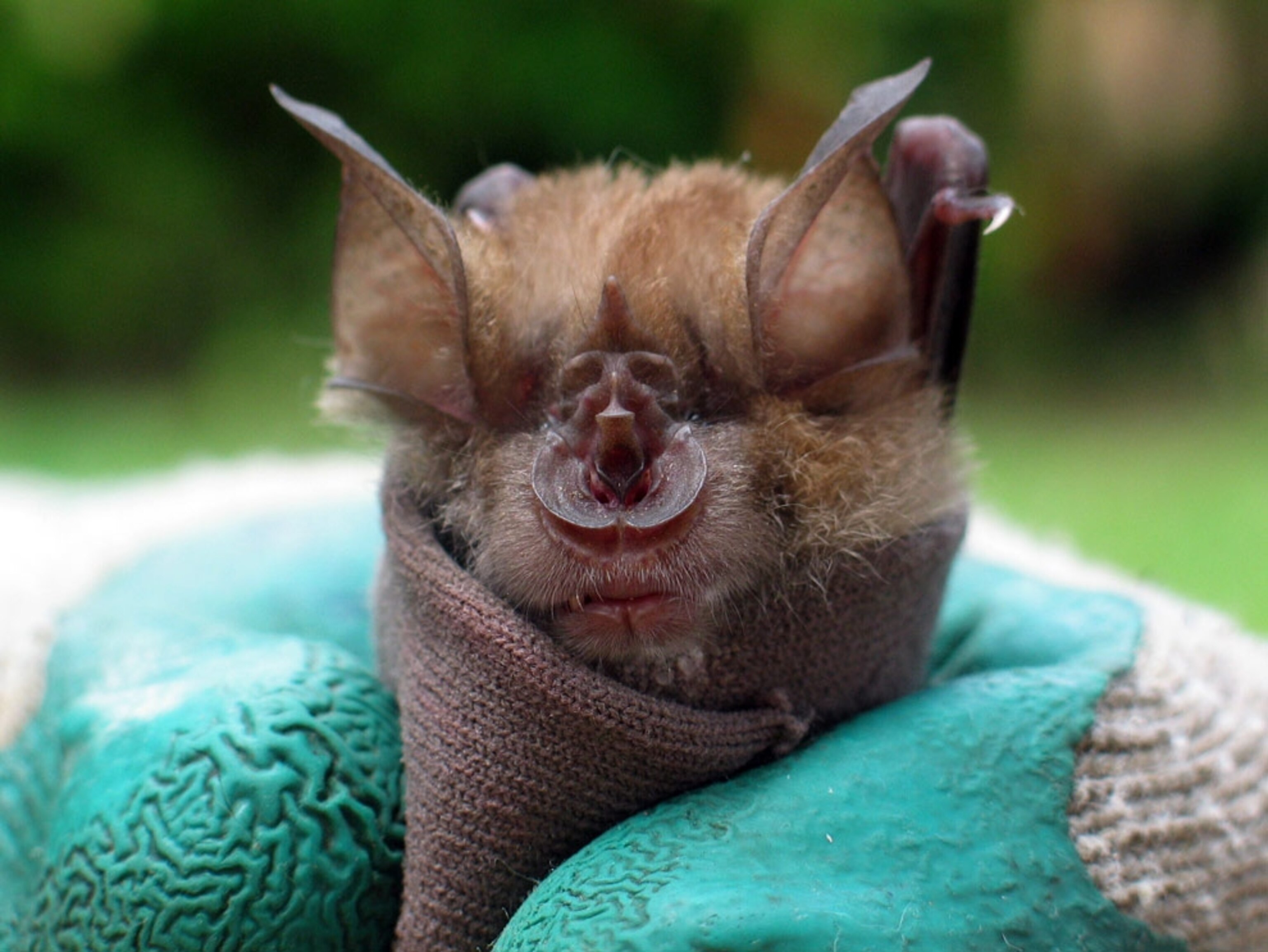
Rhinolophus Blasii
Photograph by Michael Curran and Mirjam Kopp
This is one of the last captures from a busy night sampling near a hydroelectric dam in the heart of a forested gorge on Mount Mulanje in Malawi. This species of horseshoe bat, Rhinolophus blasii, was very common, making up roughly 70 percent of all the individuals that we captured in and around this site.
-
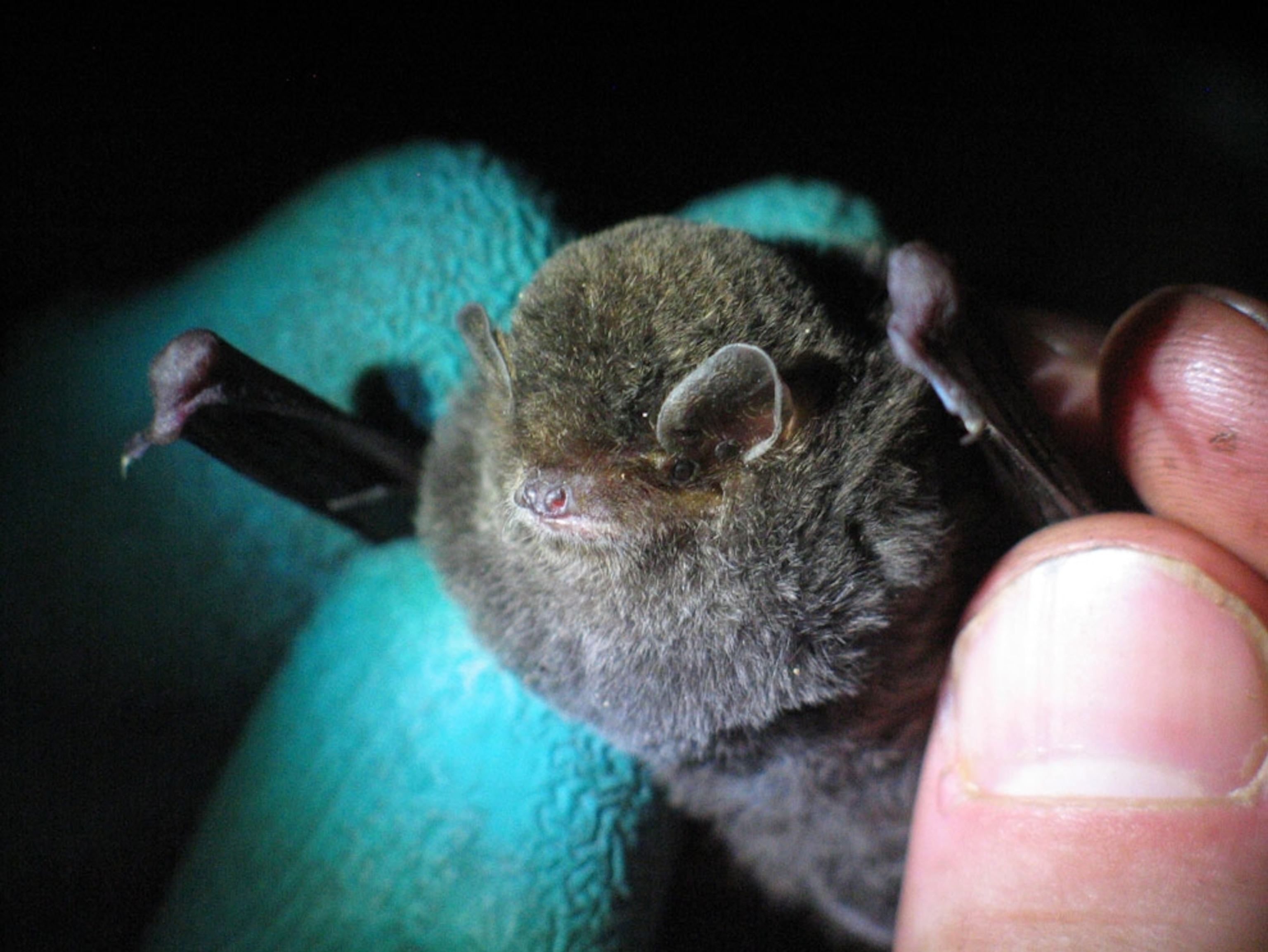
Miniopterus
Photograph by Michael Curran and Mirjam Kopp
This is a species of the genus Miniopterus, (long-fingered bats). A molecular study (including samples from our work) is showing that this particular family of bats appears to have endemic species to almost all the major mountain ranges of Africa. And yet they are almost indistinguishable based on external appearance. This represents such a large degree of "cryptic" diversity that one prominent researcher described the family as Africa's "cichlid fish of the skies."
-
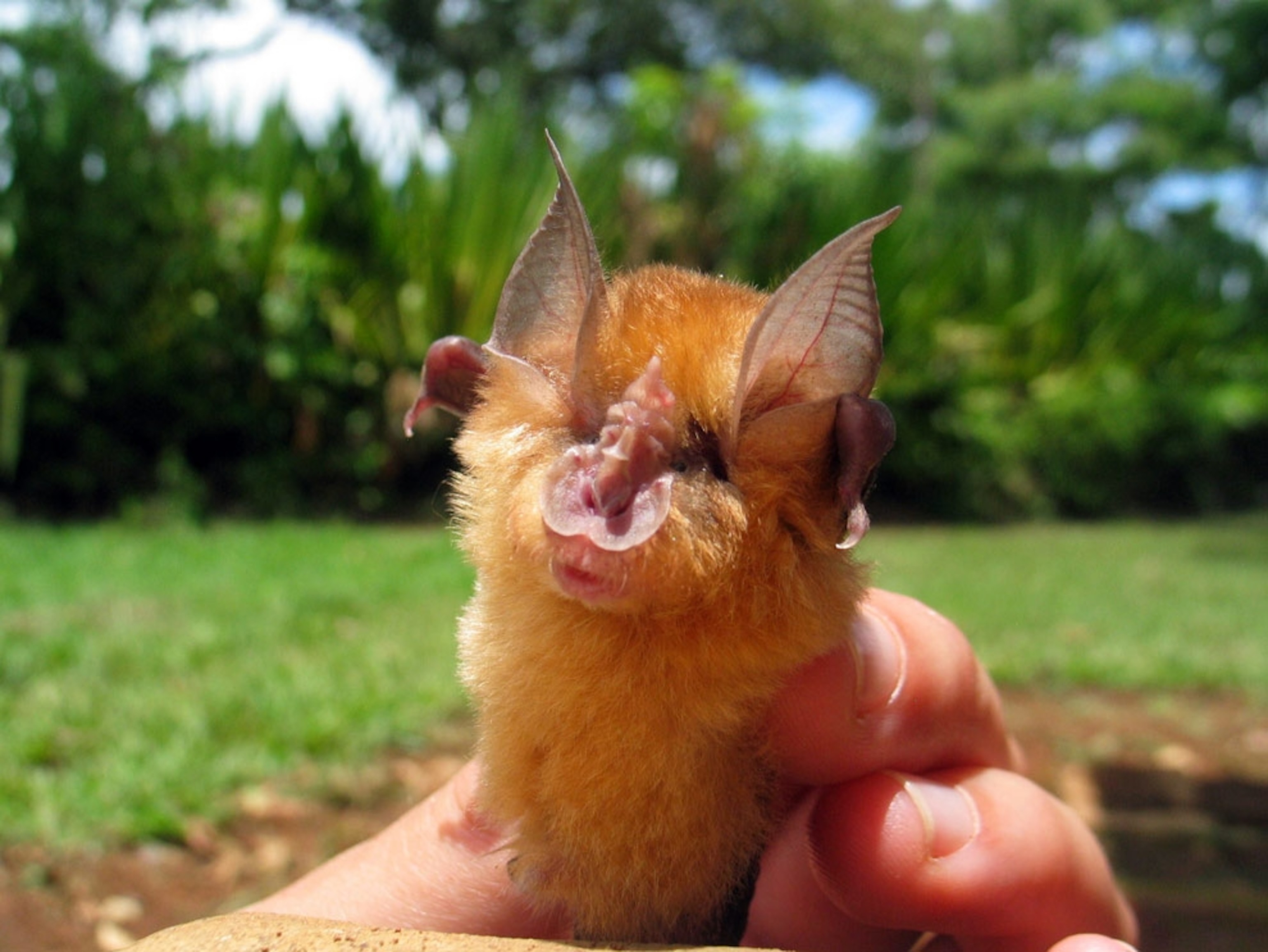
Rhinolophus Simulator
Photograph by Michael Curran and Mirjam Kopp
This is another species of horseshoe bat called Rhinolophus simulator. Although very similar in size and general appearance to R. blasii, the horseshoe (nasal) structure differs and it calls at a completely different echolocation frequency. Interestingly, we observed that on Mount Mulanje, one species was common, while the other was rare; whereas in lowland forests, it was the other way around. This may be due to competition for feeding niches, roosting sites, or differences in life history traits. Although this individual is colored a rusty orange, there is a separate form of the same species that is a dull brown.
-
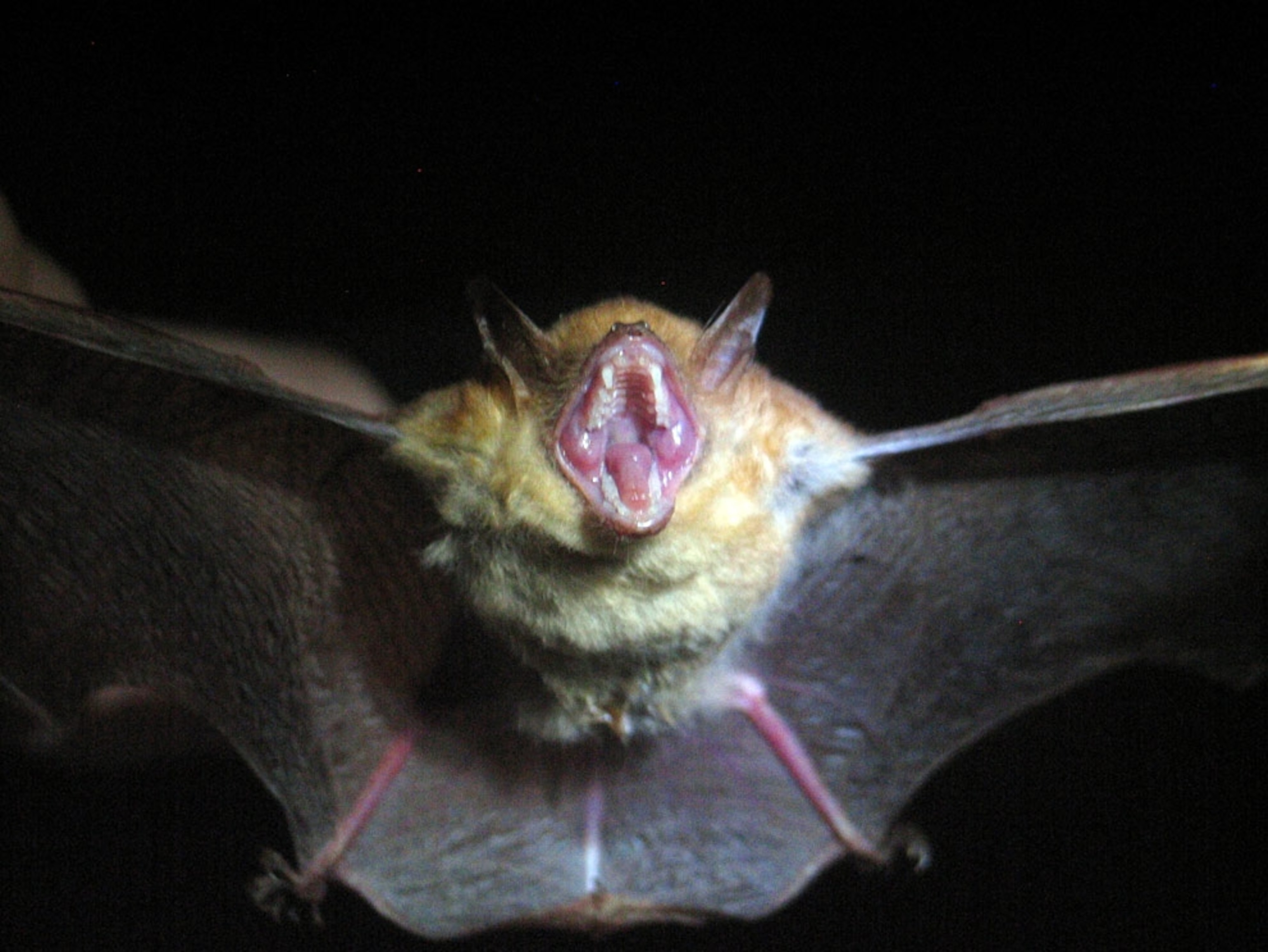
Myotis Tricolor
Photograph by Michael Curran
This is Myotis tricolor, a relatively common savanna species that is widespread across Africa. Its name refers to the three colors present on each hair—a dark base leads to a cream-colored middle and terminates in a beautiful rusty orange. The open mouth nicely shows two glands in the cheeks, behind the rows of teeth. In other species, males have been observed marking territorial areas of a cave wall by rubbing these glands against the surface.
-
Kerivoula Lanosa
Photograph by Michael Curran and Mirjam Kopp
This is a fully grown woolly bat, Kerivoula lanosa. Weighing only 4 to 5 grams, they are specialists in dense forest environments. In Australia, members of this genus were found to be feeding almost exclusively on spiders that are gleaned from webs hanging over small forest paths or between the foliage. The common name of the genus refers to their elegant fur, which in this species is grizzled with long white hairs.
-
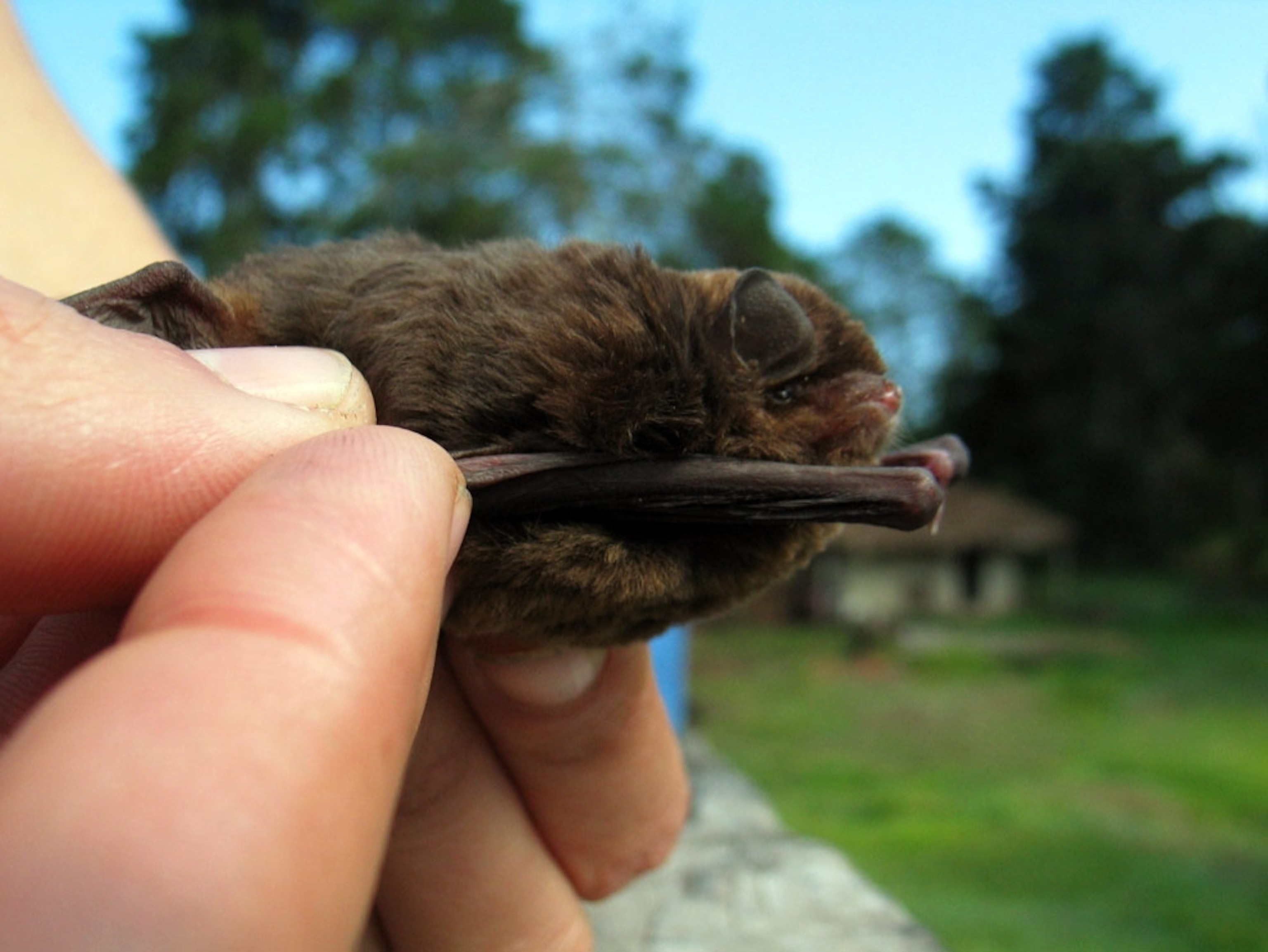
Miniopterus
Photograph by Michael Curran and Mirjam Kopp
This is another species of the genus Miniopterus (long-fingered bats). This is a separate species to the darker Miniopterus shown previously, and the form is generally larger, with lighter fur.
-
Miniopterus
Photograph by Michael Curran and Mirjam Kopp
This is a third species of the genus Miniopterus. While a similar size to the first, the skull length is slightly greater and the pelage is a rich dark brown, rather than dark grey. We captured this individual while sampling the standing forests of Mulanje cedar, an endemic tree that acts as the emblem and namesake of this mountain. Unfortunately, the tree is on the verge of extinction as illegal logging of the timber continues and a planned bauxite mining project will see large tracts of remaining forest destroyed.
-
Myotis Welwitschii
Photograph by Michael Curran and Mirjam Kopp
This is a very rare species called Myotis welwitschii. Known from only scattered few records across the continent, this catch was a fabulous record. The species is thought to have a paramontane distribution—i.e., it is found associated to, but not restricted to, mountain environments. It is possible that they migrate altitudinally with season. The coloring on the wings is a stark red, pockmarked with black spots and blotches.
-
Rhinolophus Simulator
Photograph by Michael Curran and Mirjam Kopp
This is another Rhinolophus simulator captured in lowland forest. This shares the same coloration as the other.
-
Rhinolophus Clivosus
Photograph by Michael Curran and Mirjam Kopp
This is Rhinolophus clivosus, a larger species than both R. blasii and R. simulator. Generally widespread and common, this species is a generalist feeding in more open areas and wooded savannas. There are many recognized subspecies across its range, and it is likely that some of these represent distinct species.
Bat Features
-
African Bat Biodiversity Project
Funded by a National Geographic/Waitt grant, researchers study the importance of ecosystems to threatened and forest-restricted bat species.
-
Panama's Adaptable Bats
Seventy-four species of bats flourish on one small Panamanian island, carving out distinct niches for habitat and forage.
-
Common Vampire Bat
Find out who's on the menu for vampire bats, the only mammals that can fly and the only ones that survive on blood.
-
Ozark Big-Eared Bat
Explore the miniscule habitat of this critically endangered bat. And learn what's up (and down) with those ears.
Animals
-
Aardvark
-
Adélie Penguin
-
African Elephant
-
African Lion
-
African Wild Dog
-
Albatross
-
Alligator Snapping Turtle
-
Amazon Horned Frog
-
American Alligator
-
American Bison
-
American Bullfrog
-
American Crocodile
-
Ammonite
-
Andean Condor
-
Anglerfish
-
Ankylosaurus Magniventris
-
Ant
-
Arabian (Dromedary) Camel
-
Arctic Fox
-
Arctic Hare
-
Arctic Skua
-
Armadillo
-
Asian Elephant
-
Asian Lion
-
Atlantic Bluefin Tuna
-
Atlantic Puffin
-
Aye-Aye
-
Baboon
-
Bactrian Camel
-
Bald Eagle
-
Baltimore Oriole
-
Beaver
-
Beluga Whale
-
Bengal Tiger
-
Bird of Paradise
-
Black Bear
-
Black-Footed Ferret
-
Black Mamba
-
Black Rhinoceros
-
Blacktip Shark
-
Black Widow Spider
-
Bluebird
-
Blue Crab
-
Blue-Footed Booby
-
Blue Jay
-
Blue Marlin
-
Blue Whale
-
Boa Constrictor
-
Bobcat
-
Bottlenose Dolphin
-
Box Jellyfish
-
Brachychampsa Montana
-
Brown Bear
-
Bull Shark
-
Burmese Python
-
Butterflyfish
-
California Condor
-
California Sea Lion
-
Canada Goose
-
Cane Toad
-
Canvasback
-
Caribou
-
Carolina Wren
-
Cheetah
-
Chimpanzee
-
Chipmunk
-
Cicada
-
Clouded Leopard
-
Clown Anemonefish
-
Coelacanth
-
Common Earthworm
-
Common Loon
-
Common Octopus
-
Common Sandpiper
-
Common Vampire Bat
-
Common Wombat
-
Coral
-
Cottontail Rabbit
-
Coyote
-
Cretoxyrhina Mantelli
-
Cuban Screech Owl
-
Cubera Snapper
-
Deer Tick
-
Devil Frog
-
Dingo
-
Dog Snapper
-
Dolichorhynchops Osborni
-
Domestic Cat
-
Domestic Dog
-
Draco Lizard
-
Dugong
-
Eastern Coral Snake
-
Eastern Diamondback Rattlesnake
-
Eastern Gray Kangaroo
-
Egyptian Giant Solpugid (Camel Spider)
-
Electric Eel
-
Elephant Seal
-
Elk
-
Emperor Penguin
-
Fennec Fox
-
Firefly (Lightning Bug)
-
Flying Fish
-
Flying Snake
-
Fossa
-
Frilled Lizard
-
Fur Seal
-
Galápagos Tortoise
-
Gelada
-
Gentoo Penguin
-
Geographic Cone Snail
-
Giant Anteater
-
Giant Clam
-
Giant Pacific Octopus
-
Giant Panda
-
Giant River Otter
-
Giant Squid
-
Gibbon
-
Gila Monster
-
Giraffe
-
Golden Cowrie
-
Golden Eagle
-
Golden Jellyfish
-
Golden Lion Tamarin
-
Golden Poison Dart Frog
-
Gray Whale
-
Great Blue Heron
-
Great Egret
-
Greater Flamingo
-
Greater Rhea
-
Great Horned Owl
-
Great White Shark
-
Green Anaconda
-
Green Basilisk Lizard
-
Green-Eyed Tree Frog
-
Green Iguana
-
Green Sea Turtle
-
Grizzly Bear
-
Groundhog
-
Hammerhead Shark
-
Harbor Porpoise
-
Harp Seal
-
Hawaiian Monk Seal
-
Hawksbill Sea Turtle
-
Hedgehog
-
Henodus Chelyops
-
Hesperornis Regalis
-
Hippopotamus
-
Honeybee
-
Horned Toad (Short-Horned Lizard)
-
Hornet
-
Horse
-
Howler Monkey
-
Humpback Whale
-
Impala
-
Indian Rhinoceros
-
Ivory-Billed Woodpecker
-
Jackrabbit
-
Jaguar
-
Kemp's Ridley Sea Turtle
-
Killer Whale (Orca)
-
King Cobra
-
King Vulture
-
Kinkajou
-
Koala
-
Komodo Dragon
-
Krill
-
Ladybug
-
Laughing Kookaburra
-
Leafy and Weedy Sea Dragon
-
Leatherback Sea Turtle
-
Leopard
-
Leopard Seal
-
Leptoceratops Gracilis
-
Lesothosaurus Diagnosticus
-
Lionfish
-
Little Red Flying-Fox
-
Llama
-
Lobster
-
Locust
-
Loggerhead Sea Turtle
-
Lynx
-
Macaw
-
Madagascar Hissing Cockroach
-
Mallard Duck
-
Manatee
-
Mandrill
-
Marine Iguana
-
Matschie's Tree Kangaroo
-
Meerkat
-
Meller's Chameleon
-
Mexican Axolotl
-
Mola (Sunfish)
-
Mole Rat
-
Monarch Butterfly
-
Mongoose
-
Mononykus Olecranus
-
Moose
-
Mosquito
-
Mountain Goat
-
Mountain Gorilla
-
Mountain Lion
-
Mouse Lemur
-
Mudpuppy
-
Musk-Ox
-
Narwhal
-
Nile Crocodile
-
North American River Otter
-
Northern Leopard Frog
-
Nudibranch
-
Nurse Shark
-
Nutria
-
Ocelot
-
Olive Ridley Sea Turtle
-
Opossum
-
Orangutan
-
Oriental Fire-Bellied Toad
-
Osprey
-
Ostrich
-
Oyster
-
Ozark Big-Eared Bat
-
Pachycephalosaurus Wyomingensis
-
Parrot
-
Parrot Fish
-
Peacock
-
Pelican
-
Peregrine Falcon
-
Pileated Woodpecker
-
Platecarpus
-
Platypus
-
Poison Dart Frog
-
Polar Bear
-
Porcupine
-
Portuguese Man-of-War
-
Prairie Dog
-
Praying Mantis
-
Proboscis Monkey
-
Pronghorn
-
Protosphyraena
-
Protostega Gigas
-
Przewalski's Horse
-
Pufferfish
-
Queen Angelfish
-
Quetzal
-
Raccoon
-
Rainbow Trout
-
Raven
-
Red Crab
-
Red-Eyed Tree Frog
-
Red-Footed Booby
-
Red Fox
-
Red Kangaroo
-
Red Leaf Monkey
-
Red Panda
-
Red-Tailed Hawk
-
Red Uakari
-
Rhesus Monkey
-
Right Whale
-
Ringed Seal
-
Ring-Necked Pheasant
-
Ring-Tailed Lemur
-
Rockhopper Penguin
-
Rocky Mountain Bighorn Sheep
-
Ruby-Throated Hummingbird
-
Sailfish
-
Saltwater Crocodile
-
Sandhill Crane
-
Sand Tiger Shark
-
Scarab
-
Scorpion
-
Sea Anemone
-
Sea Cucumber
-
Seahorse
-
Sea Otter
-
Siberian Tiger
-
Sifaka
-
Skunk
-
Sloth Bear
-
Snow Goose
-
Snow Leopard
-
Snowshoe Hare
-
Snowy Owl
-
Sockeye Salmon
-
Spectacled Bear
-
Sperm Whale
-
Spider Monkey
-
Spotted Hyena
-
Spotted Salamander
-
Spring Peeper
-
Squirrel
-
Starfish (Sea Star)
-
Steller Sea Lion
-
Steller's Sea Eagle
-
Stick Insect
-
Stingray
-
Styxosaurus Snowii
-
Sumatran Rhinoceros
-
Sun Bear
-
Tapir
-
Tarantula
-
Tasmanian Devil
-
Thescelosaurus Neglectus
-
Thick-Billed Murre
-
Thomson's Gazelle
-
Three-Toed Sloth
-
Tiger Salamander
-
Tiger Shark
-
Toucan
-
Triceratops Horridus
-
Triggerfish
-
Troodon Formosus
-
Tundra Swan
-
Tusotheuthis Longa
-
Two-Toed Sloth
-
Tylosaurus Proriger
-
Tyrannosaurus Rex
-
Velociraptor Mongoliensis
-
Wallaby
-
Wallace's Flying Frog
-
Walrus
-
Warthog
-
Warty Newt
-
Wasp
-
Water Buffalo
-
Web-Footed Gecko
-
Weddell Seal
-
Western Lowland Gorilla
-
Whale Shark
-
White-Eared Kob
-
White Rhinoceros
-
White-Tailed Deer
-
Whooping Crane
-
Wildebeest
-
Wild Turkey
-
Wolf
-
Wolverine
-
Wood Stork
-
Xiphactinus Audax
-
Zebra