-
African Lion Cub
Photograph by Beverly Joubert
An African lion cub rests in the tall grasses of Botswana’s Okavango Delta. Once ranging across the African continent and into Syria, Israel, Iraq, Pakistan, Iran, and even northwest India, lions have declined to as few as 20,000 animals from about 450,000 just 50 years ago.
Big Cats Initiative
National Geographic is working to avert the extinction of lions, tigers, and other big cats with the Big Cats Initiative, a comprehensive program that supports innovative projects. Learn how you can help save these animals.
For just $5, you can help save big cats by uploading a photo of your little kitty here.
-
Asiatic Leopard Cub
Photograph by Steve Winter
An Asiatic leopard cub in the Hukawng Valley in Myanmar (Burma) became an orphan after hunters killed its mother to sell her body parts for use in traditional medicine. In 2010, the entire valley—about the size of Vermont—was designated by the government of Myanmar as a tiger sanctuary, a major conservation step that protects big cats and other rare species throughout the territory.
Big Cats Initiative
National Geographic is working to avert the extinction of lions, tigers, and other big cats with the Big Cats Initiative, a comprehensive program that supports innovative projects. Learn how you can help save these animals.
For just $5, you can help save big cats by uploading a photo of your little kitty here.
-
Lion Cubs Playing
Photograph by Beverly Joubert
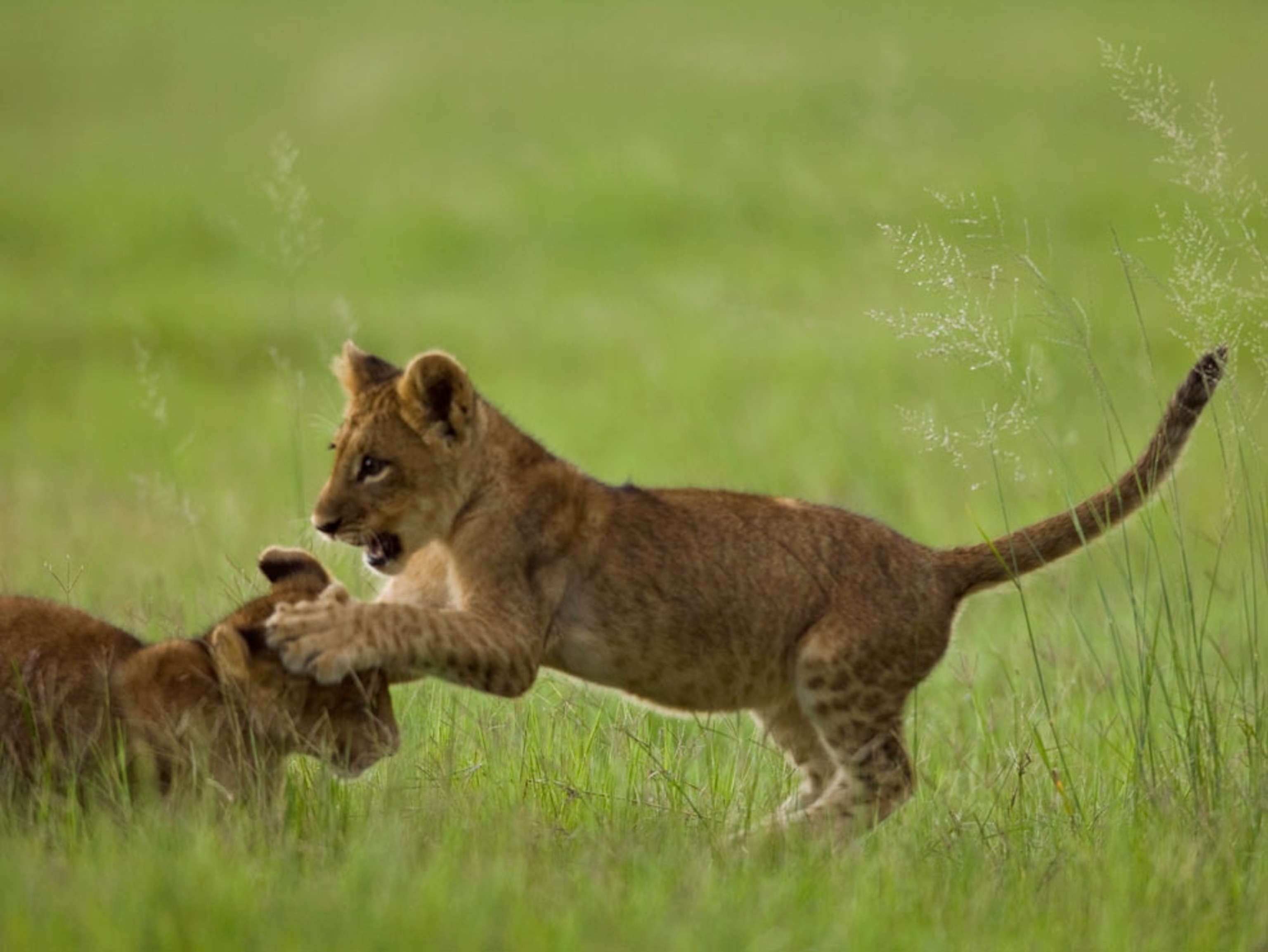
Lion cubs play in the Okavango Delta in Botswana. Loss of habitat, prey decline, pesticides, and even canine distemper and tuberculosis have caused lion numbers to quickly decline across Africa.
Big Cats Initiative
National Geographic is working to avert the extinction of lions, tigers, and other big cats with the Big Cats Initiative, a comprehensive program that supports innovative projects. Learn how you can help save these animals.
For just $5, you can help save big cats by uploading a photo of your little kitty here.
-
King Cheetah Cub
Photograph by Chris Johns
Still just a prince, a rare king cheetah is the result of a recessive gene. Except for darker, elongated spots, king cheetahs are genetically identical to other cheetahs. The genetic homogeneity of cheetah populations may make them more vulnerable to disease.
Big Cats Initiative
National Geographic is working to avert the extinction of lions, tigers, and other big cats with the Big Cats Initiative, a comprehensive program that supports innovative projects. Learn how you can help save these animals.
For just $5, you can help save big cats by uploading a photo of your little kitty here.
-
African Lion Cub
Photograph by Beverly Joubert
An African lion cub crouches in tall grass in the Okavango Delta. African lions are listed as vulnerable by the International Union for Conservation of Nature (IUCN).
Big Cats Initiative
National Geographic is working to avert the extinction of lions, tigers, and other big cats with the Big Cats Initiative, a comprehensive program that supports innovative projects. Learn how you can help save these animals.
For just $5, you can help save big cats by uploading a photo of your little kitty here.
-
Cheetah Family
Photograph by Chris Johns
Most wild cheetahs are found in eastern and southwestern Africa. It is estimated that only 7,500 of these big cats remain, and those are under pressure as the wide-open grasslands they favor are disappearing at the hands of human settlers.
Big Cats Initiative
National Geographic is working to avert the extinction of lions, tigers, and other big cats with the Big Cats Initiative, a comprehensive program that supports innovative projects. Learn how you can help save these animals.
For just $5, you can help save big cats by uploading a photo of your little kitty here.
-
Yawning Lion Cub
Photograph by Beverly Joubert
A small lion cub yawns while resting with its pride in Savuti, Botswana. Cubs join prides when they can move well enough to keep up—after about three months. Lions are unique among big cats in forming groups.
Big Cats Initiative
National Geographic is working to avert the extinction of lions, tigers, and other big cats with the Big Cats Initiative, a comprehensive program that supports innovative projects. Learn how you can help save these animals.
For just $5, you can help save big cats by uploading a photo of your little kitty here.
-
African Lion Cub
Photograph by Beverly Joubert
A young lion cub climbs on a fallen tree limb in Botswana. Scientists connect the drastic decreases in lion numbers in many cases to burgeoning human populations.
Big Cats Initiative
National Geographic is working to avert the extinction of lions, tigers, and other big cats with the Big Cats Initiative, a comprehensive program that supports innovative projects. Learn how you can help save these animals.
For just $5, you can help save big cats by uploading a photo of your little kitty here.
-
Leopard Cub
Photograph by Beverly Joubert
A leopard cub rests near its mother in the Okavango Delta. Though the leopard is the most widespread of all big cats, many of their populations are endangered, especially those outside Africa.
Big Cats Initiative
National Geographic is working to avert the extinction of lions, tigers, and other big cats with the Big Cats Initiative, a comprehensive program that supports innovative projects. Learn how you can help save these animals.
For just $5, you can help save big cats by uploading a photo of your little kitty here.
-
Tiger Mother and Cubs
Photograph by Michael Nichols
A Bengal tiger called Sita gives her cubs an early morning bath in India’s Bandhavgarh National Park. The ritual helps cement a crucial maternal bond. Over the last hundred years, hunting and forest destruction have reduced tiger populations from hundreds of thousands of animals to perhaps fewer than 4,000.
Big Cats Initiative
National Geographic is working to avert the extinction of lions, tigers, and other big cats with the Big Cats Initiative, a comprehensive program that supports innovative projects. Learn how you can help save these animals.
For just $5, you can help save big cats by uploading a photo of your little kitty here.
-
Lion Cubs Playing
Photograph by Beverly Joubert
African lion cubs play in the grass in the Okavango Delta. Conservationists estimate that unless the current decline is checked, the number of lions will continue to drop significantly.
Big Cats Initiative
National Geographic is working to avert the extinction of lions, tigers, and other big cats with the Big Cats Initiative, a comprehensive program that supports innovative projects. Learn how you can help save these animals.
For just $5, you can help save big cats by uploading a photo of your little kitty here.
-
African Lion Cub
Photograph by Beverly Joubert
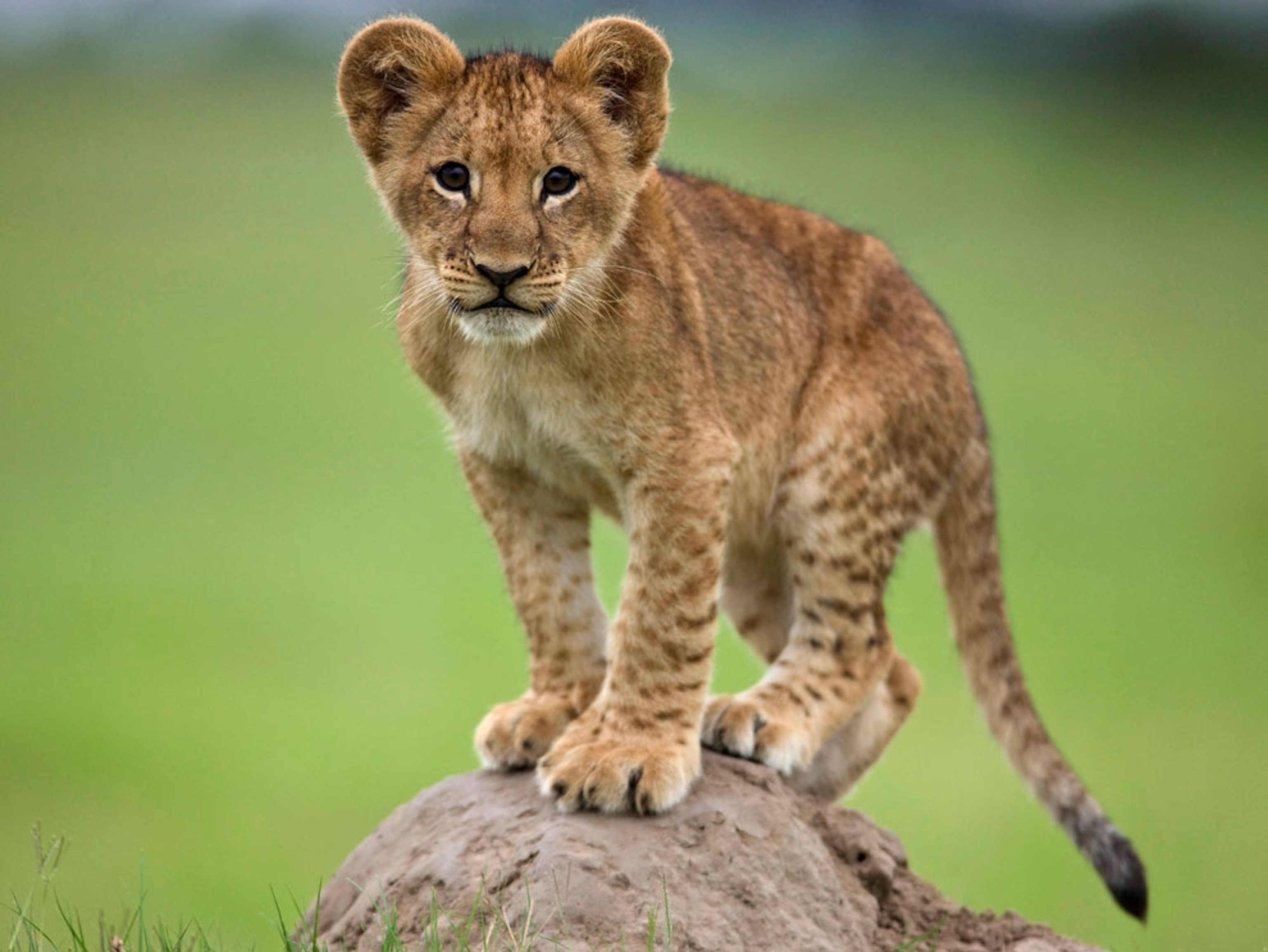
An African lion cub stands on a mound of soil in the Okavango Delta. Geographically isolated lion populations can lead to inbreeding and a lack of genetic diversity, further endangering the species.
Big Cats Initiative
National Geographic is working to avert the extinction of lions, tigers, and other big cats with the Big Cats Initiative, a comprehensive program that supports innovative projects. Learn how you can help save these animals.
For just $5, you can help save big cats by uploading a photo of your little kitty here.
-
Leopard Mother and Cub
Photograph by Beverly Joubert
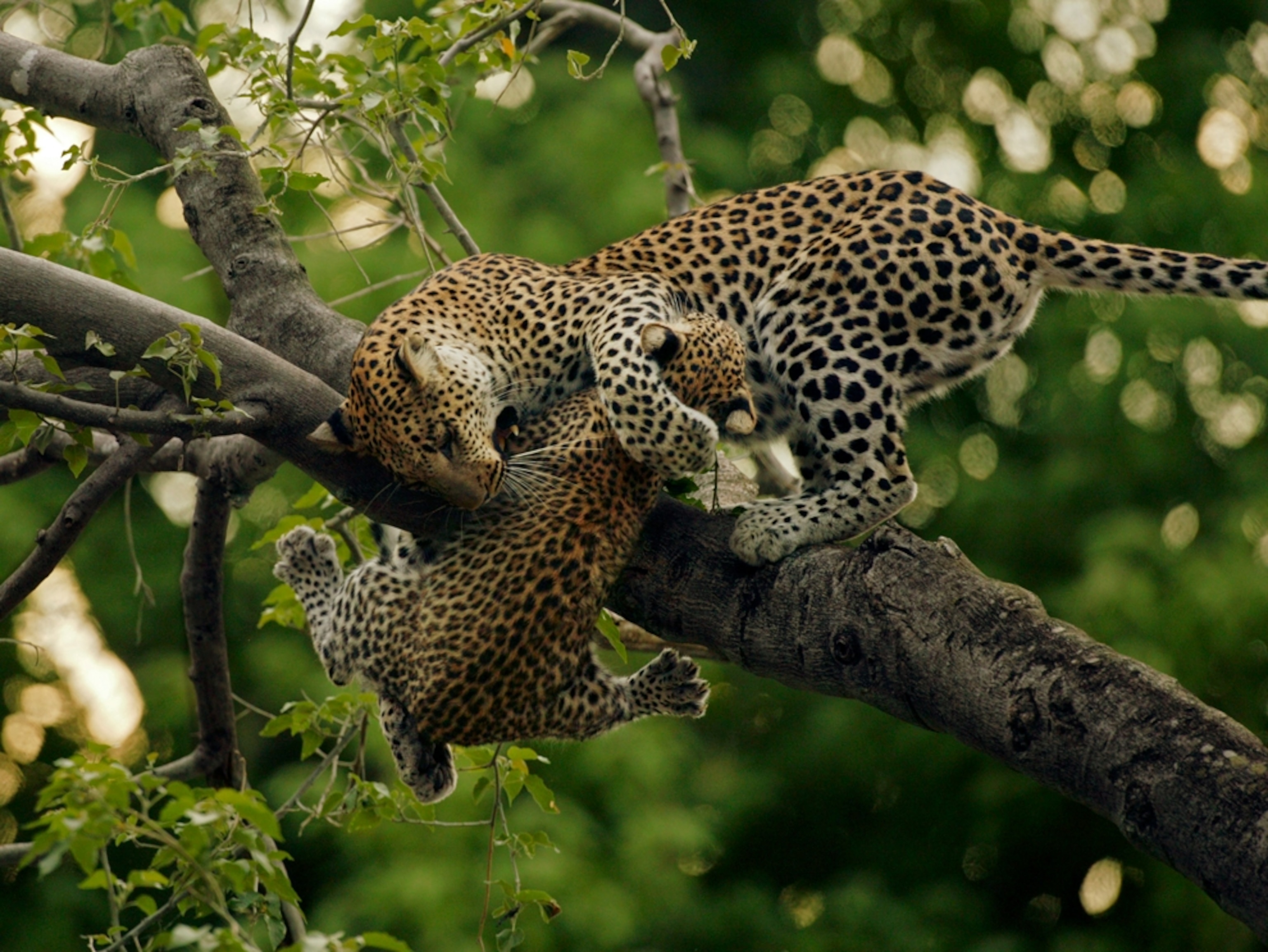
A leopard takes hold of her dangling cub in the Okavango Delta. The leopard is so strong and comfortable in trees that it often hauls its kills into the branches.
Big Cats Initiative
National Geographic is working to avert the extinction of lions, tigers, and other big cats with the Big Cats Initiative, a comprehensive program that supports innovative projects. Learn how you can help save these animals.
For just $5, you can help save big cats by uploading a photo of your little kitty here.
-
Mother Tiger and Cub
Photograph by Juniors Bildarchiv, Photolibrary
Three of the eight tiger subspecies became extinct in the 20th century, hunted as trophies and also for body parts that are used in traditional Chinese medicine. All five remaining tiger subspecies are endangered.
Big Cats Initiative
National Geographic is working to avert the extinction of lions, tigers, and other big cats with the Big Cats Initiative, a comprehensive program that supports innovative projects. Learn how you can help save these animals.
For just $5, you can help save big cats by uploading a photo of your little kitty here.
-
African Lion and Cub
Photograph by Beverly Joubert
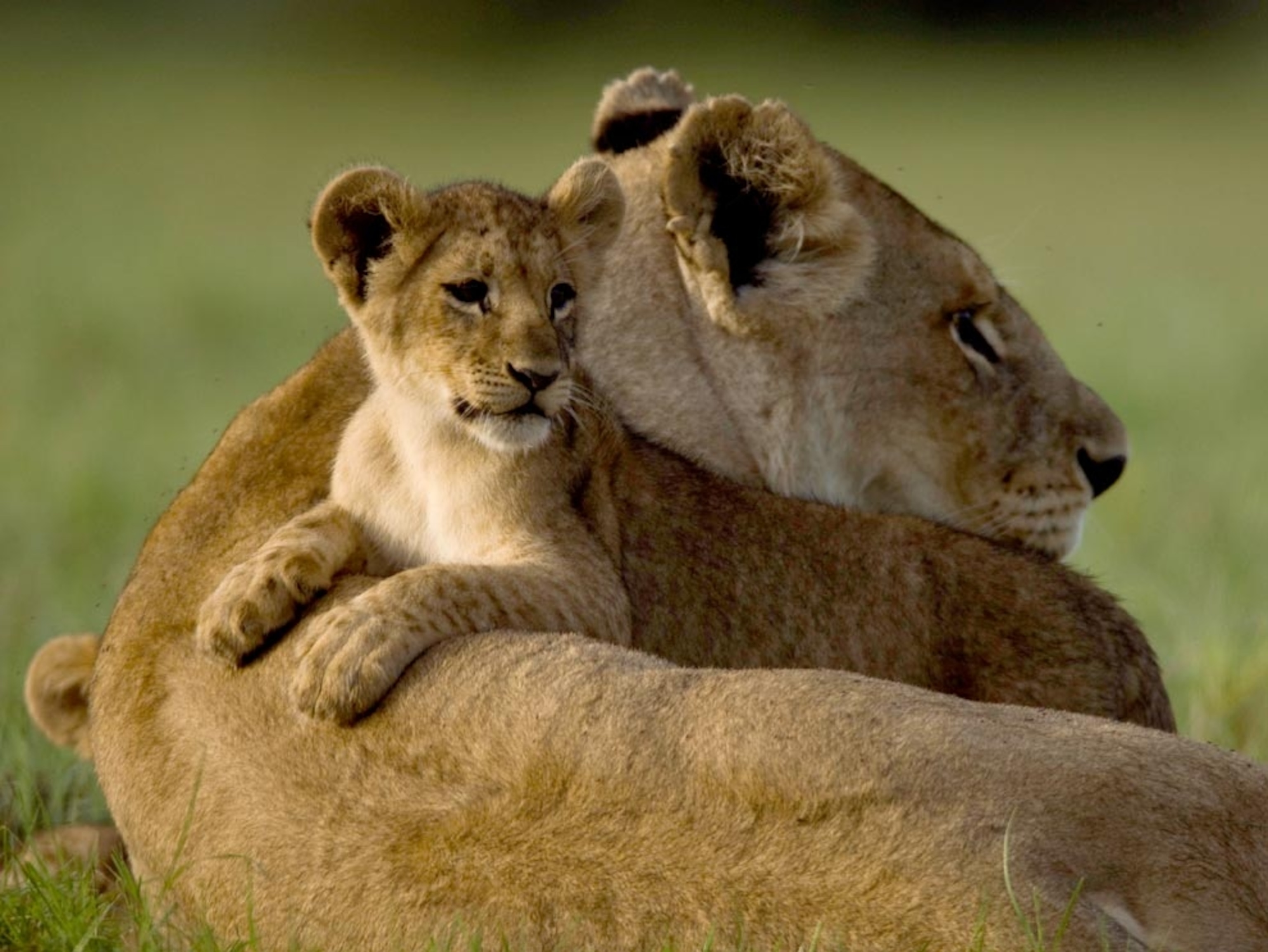
An African lion rests with her cub in the Okavango Delta. As human populations in sub-Saharan Africa expand, the amount of hunting space and habitats for lions decreases.
Big Cats Initiative
National Geographic is working to avert the extinction of lions, tigers, and other big cats with the Big Cats Initiative, a comprehensive program that supports innovative projects. Learn how you can help save these animals.
For just $5, you can help save big cats by uploading a photo of your little kitty here.
Learn More About Big Cats
Big Cats Features
-
Lion Numbers Plunge
The king of the African savannah is in serious trouble because of massive conversion of the continent’s remaining wilderness to human land-use, according to a detailed study.
-
Finding the Last Cheetahs of Iran
Intensely shy and hovering on the edge of extinction, Iranian cheetahs are essentially impossible to see.
-
Some Snow Leopards Wild No More?
Thinking of snow leopards as domesticated—and thus dependent on people for food—may help save the dwindling species, one conservationist claims.
-
Cheetah Breaks Speed Record
Beating Usain Bolt's best, Sarah the "polka-dotted missile" clocked the world's fastest recorded time for a 100-meter run.
Help Big Cats
Photos
Lion Expert
-
Laly Lichtenfeld, Conservationist
Laly Lichtenfeld aims to prevent lion-livestock conflict and to improve the lives of lions and people alike.