-
African Elephant
Photograph by Beverly Joubert
For thousands of years, humans have utilized the brute strength of African and Asian elephants for everything from war to transportation. An elephant's trunk alone contains around 100,000 muscles and can lift up to 600 pounds (270 kilograms).
-
Rhinoceros Beetle
Photograph by Jupiterimages
Compared to an elephant, the rhinoceros beetle looks minuscule. But ounce for ounce, this insect is considered the world's strongest creature Rhinoceros beetles, which get their name from the hornlike structure on a male's head, are capable of carrying up to 850 times their own body weight. A human with this relative strength would be able to lift some 65 tons (59 metric tons).
-
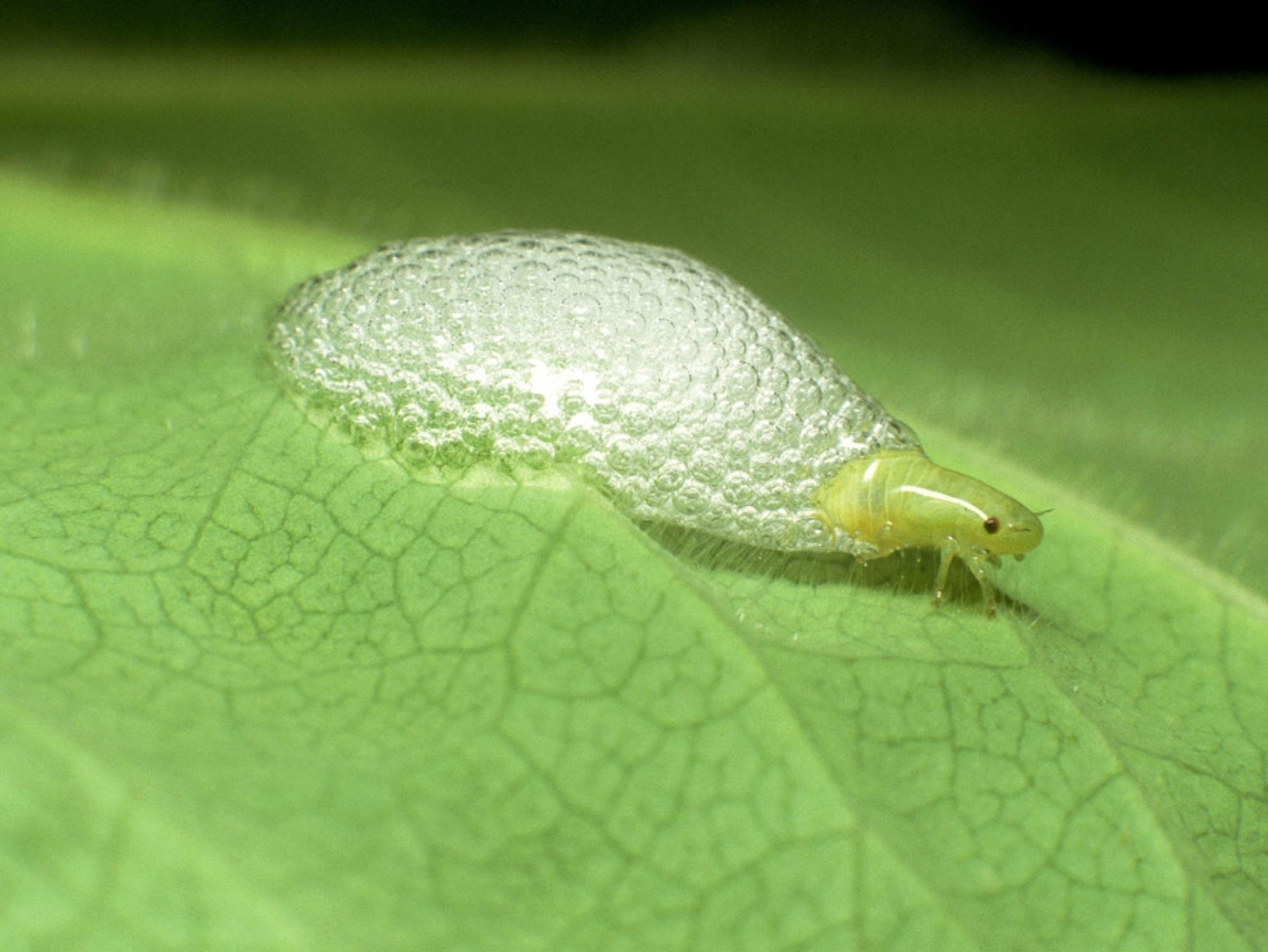
Froghopper
Photograph by Jupiterimages
The froghopper, or spittle bug, leaps into the record books as the insect world's greatest jumper. This tiny insect reaches a mere 0.2 inches (6 millimeters) in length but can catapult itself up to 28 inches (70 centimeters) into the air. A human with this ability would be able to clear a 690-foot-tall (210-meter-tall) skyscraper.
-
Impala
Photograph by Chris Johns
The impala, an African antelope with long, slender legs and muscular thighs, also gets high marks for its leaping abilities. When frightened, an impala will spring into action, bounding up to 33 feet (10 meters) and soaring some 10 feet (3 meters) in the air. This skill is apparently more than just defensive. Impalas have been observed jumping around just to amuse themselves.
-
Bar-Tailed Godwit
Photograph courtesy USFWS
In 2007, a bar-tailed godwit made the longest nonstop bird migration ever recorded. In nine days, it flew 7,145 miles (11,500 kilometers) from its breeding ground in Alaska to New Zealand without stopping for food or drink. By the end of the epic journey, the bird had lost more than 50 percent of its body weight.
-
Sooty Shearwater
Photograph by Terry Whittaker / Alamy
The annual journey of the sooty shearwater bird rivals that of the bar-tailed godwit. These marathon migrators traverse nearly 40,000 miles (64,000 kilometers) each year, from New Zealand to the Northern Hemisphere, in search of food.
-
Great White Shark
Photograph by Mike Parry/Minden Pictures
In 2005, a great white shark entered the record books by completing the longest shark migration ever recorded. Named Nicole by researchers, the shark made a 12,400-mile (20,000-kilometer) marathon circuit from Africa to Australia. The journey, which lasted nine months, also included the fastest return migration of any known marine animal.
Tracking systems showed that Nicole spent a lot of the time near the surface, leading some scientists to believe that sharks use celestial cues to navigate.
-
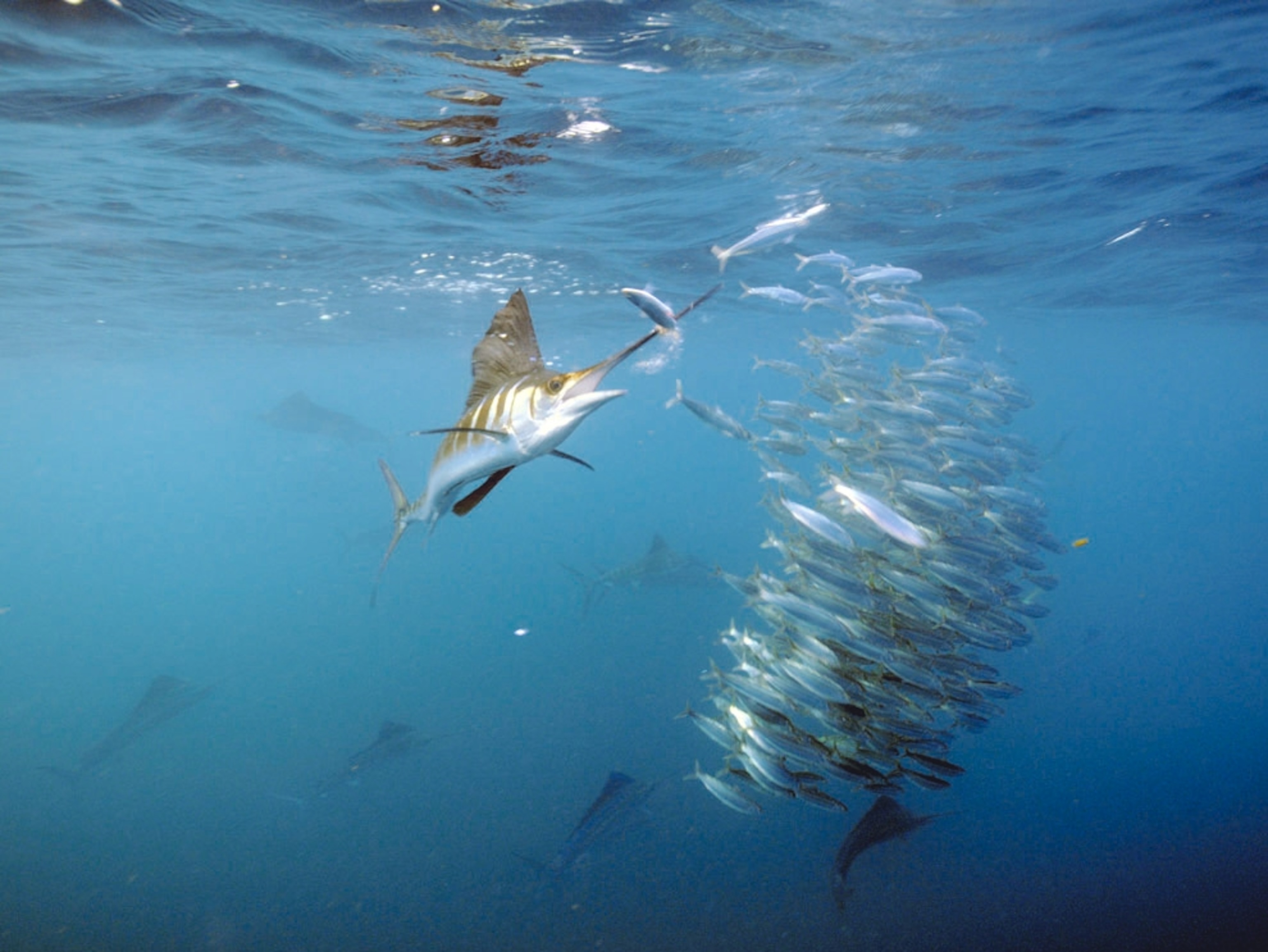
Sailfish
Photograph by John Lewis, National Geographic My Shot
Officially the world's fastest fish, sailfish can reach speeds of 68 miles an hour (109 kilometers an hour) in short bursts. They often hunt in groups and use their quickness and impressive dorsal fins to herd schools of sardines or anchovies.
-
Cheetah
Photograph by Chris Johns
The cheetah, holder of the animal kingdom's land speed record, can run at more than 60 miles an hour (96 kilometers an hour) and can reach its top speed in just three seconds. These champion sprinters rely on long, muscular legs to propel their lithe bodies. But cheetahs expend a tremendous amount of energy during a chase and can only run all out for about 900 feet (274 meters).
-
T. Rex
Illustration by Michael Skrepnick
Scientists have long debated the speed and agility of this prehistoric giant. While some propose that T rex. was capable of nothing more than a leisurely jog, other investigations have shown that the six-ton (5.4-metric-ton) predator could possibly have outrun an Olympic sprinter, reaching a top speed of 18 miles an hour (29 kilometers an hour).
-
Peregrine Falcon
Photograph by Tim Fitzharris / Minden Pictures
The peregrine falcon holds the title of the animal kingdom's fastest flier. Using a dive-bomb hunting technique called a stoop, this raptor attacks prey—usually a pigeon or dove—at speeds of up to 200 miles an hour (322 kilometers an hour). It seizes its victim in midair with its sharp talons, then takes it to the ground to eat.
Animals
-
Aardvark
-
Adélie Penguin
-
African Elephant
-
African Lion
-
African Wild Dog
-
Albatross
-
Alligator Snapping Turtle
-
Amazon Horned Frog
-
American Alligator
-
American Bison
-
American Bullfrog
-
American Crocodile
-
Ammonite
-
Andean Condor
-
Anglerfish
-
Ankylosaurus Magniventris
-
Ant
-
Arabian (Dromedary) Camel
-
Arctic Fox
-
Arctic Hare
-
Arctic Skua
-
Armadillo
-
Asian Elephant
-
Asian Lion
-
Atlantic Bluefin Tuna
-
Atlantic Puffin
-
Aye-Aye
-
Baboon
-
Bactrian Camel
-
Bald Eagle
-
Baltimore Oriole
-
Beaver
-
Beluga Whale
-
Bengal Tiger
-
Bird of Paradise
-
Black Bear
-
Black-Footed Ferret
-
Black Mamba
-
Black Rhinoceros
-
Blacktip Shark
-
Black Widow Spider
-
Bluebird
-
Blue Crab
-
Blue-Footed Booby
-
Blue Jay
-
Blue Marlin
-
Blue Whale
-
Boa Constrictor
-
Bobcat
-
Bottlenose Dolphin
-
Box Jellyfish
-
Brachychampsa Montana
-
Brown Bear
-
Bull Shark
-
Burmese Python
-
Butterflyfish
-
California Condor
-
California Sea Lion
-
Canada Goose
-
Cane Toad
-
Canvasback
-
Caribou
-
Carolina Wren
-
Cheetah
-
Chimpanzee
-
Chipmunk
-
Cicada
-
Clouded Leopard
-
Clown Anemonefish
-
Coelacanth
-
Common Earthworm
-
Common Loon
-
Common Octopus
-
Common Sandpiper
-
Common Vampire Bat
-
Common Wombat
-
Coral
-
Cottontail Rabbit
-
Coyote
-
Cretoxyrhina Mantelli
-
Cuban Screech Owl
-
Cubera Snapper
-
Deer Tick
-
Devil Frog
-
Dingo
-
Dog Snapper
-
Dolichorhynchops Osborni
-
Domestic Cat
-
Domestic Dog
-
Draco Lizard
-
Dugong
-
Eastern Coral Snake
-
Eastern Diamondback Rattlesnake
-
Eastern Gray Kangaroo
-
Egyptian Giant Solpugid (Camel Spider)
-
Electric Eel
-
Elephant Seal
-
Elk
-
Emperor Penguin
-
Fennec Fox
-
Firefly (Lightning Bug)
-
Flying Fish
-
Flying Snake
-
Fossa
-
Frilled Lizard
-
Fur Seal
-
Galápagos Tortoise
-
Gelada
-
Gentoo Penguin
-
Geographic Cone Snail
-
Giant Anteater
-
Giant Clam
-
Giant Pacific Octopus
-
Giant Panda
-
Giant River Otter
-
Giant Squid
-
Gibbon
-
Gila Monster
-
Giraffe
-
Golden Cowrie
-
Golden Eagle
-
Golden Jellyfish
-
Golden Lion Tamarin
-
Golden Poison Dart Frog
-
Gray Whale
-
Great Blue Heron
-
Great Egret
-
Greater Flamingo
-
Greater Rhea
-
Great Horned Owl
-
Great White Shark
-
Green Anaconda
-
Green Basilisk Lizard
-
Green-Eyed Tree Frog
-
Green Iguana
-
Green Sea Turtle
-
Grizzly Bear
-
Groundhog
-
Hammerhead Shark
-
Harbor Porpoise
-
Harp Seal
-
Hawaiian Monk Seal
-
Hawksbill Sea Turtle
-
Hedgehog
-
Henodus Chelyops
-
Hesperornis Regalis
-
Hippopotamus
-
Honeybee
-
Horned Toad (Short-Horned Lizard)
-
Hornet
-
Horse
-
Howler Monkey
-
Humpback Whale
-
Impala
-
Indian Rhinoceros
-
Ivory-Billed Woodpecker
-
Jackrabbit
-
Jaguar
-
Kemp's Ridley Sea Turtle
-
Killer Whale (Orca)
-
King Cobra
-
King Vulture
-
Kinkajou
-
Koala
-
Komodo Dragon
-
Krill
-
Ladybug
-
Laughing Kookaburra
-
Leafy and Weedy Sea Dragon
-
Leatherback Sea Turtle
-
Leopard
-
Leopard Seal
-
Leptoceratops Gracilis
-
Lesothosaurus Diagnosticus
-
Lionfish
-
Little Red Flying-Fox
-
Llama
-
Lobster
-
Locust
-
Loggerhead Sea Turtle
-
Lynx
-
Macaw
-
Madagascar Hissing Cockroach
-
Mallard Duck
-
Manatee
-
Mandrill
-
Marine Iguana
-
Matschie's Tree Kangaroo
-
Meerkat
-
Meller's Chameleon
-
Mexican Axolotl
-
Mola (Sunfish)
-
Mole Rat
-
Monarch Butterfly
-
Mongoose
-
Mononykus Olecranus
-
Moose
-
Mosquito
-
Mountain Goat
-
Mountain Gorilla
-
Mountain Lion
-
Mouse Lemur
-
Mudpuppy
-
Musk-Ox
-
Narwhal
-
Nile Crocodile
-
North American River Otter
-
Northern Leopard Frog
-
Nudibranch
-
Nurse Shark
-
Nutria
-
Ocelot
-
Olive Ridley Sea Turtle
-
Opossum
-
Orangutan
-
Oriental Fire-Bellied Toad
-
Osprey
-
Ostrich
-
Oyster
-
Ozark Big-Eared Bat
-
Pachycephalosaurus Wyomingensis
-
Parrot
-
Parrot Fish
-
Peacock
-
Pelican
-
Peregrine Falcon
-
Pileated Woodpecker
-
Platecarpus
-
Platypus
-
Poison Dart Frog
-
Polar Bear
-
Porcupine
-
Portuguese Man-of-War
-
Prairie Dog
-
Praying Mantis
-
Proboscis Monkey
-
Pronghorn
-
Protosphyraena
-
Protostega Gigas
-
Przewalski's Horse
-
Pufferfish
-
Queen Angelfish
-
Quetzal
-
Raccoon
-
Rainbow Trout
-
Raven
-
Red Crab
-
Red-Eyed Tree Frog
-
Red-Footed Booby
-
Red Fox
-
Red Kangaroo
-
Red Leaf Monkey
-
Red Panda
-
Red-Tailed Hawk
-
Red Uakari
-
Rhesus Monkey
-
Right Whale
-
Ringed Seal
-
Ring-Necked Pheasant
-
Ring-Tailed Lemur
-
Rockhopper Penguin
-
Rocky Mountain Bighorn Sheep
-
Ruby-Throated Hummingbird
-
Sailfish
-
Saltwater Crocodile
-
Sandhill Crane
-
Sand Tiger Shark
-
Scarab
-
Scorpion
-
Sea Anemone
-
Sea Cucumber
-
Seahorse
-
Sea Otter
-
Siberian Tiger
-
Sifaka
-
Skunk
-
Sloth Bear
-
Snow Goose
-
Snow Leopard
-
Snowshoe Hare
-
Snowy Owl
-
Sockeye Salmon
-
Spectacled Bear
-
Sperm Whale
-
Spider Monkey
-
Spotted Hyena
-
Spotted Salamander
-
Spring Peeper
-
Squirrel
-
Starfish (Sea Star)
-
Steller Sea Lion
-
Steller's Sea Eagle
-
Stick Insect
-
Stingray
-
Styxosaurus Snowii
-
Sumatran Rhinoceros
-
Sun Bear
-
Tapir
-
Tarantula
-
Tasmanian Devil
-
Thescelosaurus Neglectus
-
Thick-Billed Murre
-
Thomson's Gazelle
-
Three-Toed Sloth
-
Tiger Salamander
-
Tiger Shark
-
Toucan
-
Triceratops Horridus
-
Triggerfish
-
Troodon Formosus
-
Tundra Swan
-
Tusotheuthis Longa
-
Two-Toed Sloth
-
Tylosaurus Proriger
-
Tyrannosaurus Rex
-
Velociraptor Mongoliensis
-
Wallaby
-
Wallace's Flying Frog
-
Walrus
-
Warthog
-
Warty Newt
-
Wasp
-
Water Buffalo
-
Web-Footed Gecko
-
Weddell Seal
-
Western Lowland Gorilla
-
Whale Shark
-
White-Eared Kob
-
White Rhinoceros
-
White-Tailed Deer
-
Whooping Crane
-
Wildebeest
-
Wild Turkey
-
Wolf
-
Wolverine
-
Wood Stork
-
Xiphactinus Audax
-
Zebra